

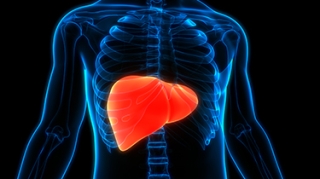

Unexplained digestive symptoms or abnormal bloodwork often raise concerns about fatty liver disease, yet patients may hesitate when they hear about biopsies or invasive testing. A Liver FibroScan offers a non-invasive, accurate way to evaluate liver health in just minutes, helping identify issues before they progress. Here is what a Liver FibroScan measures and why it matters for long-term health.
How FibroScan Helps Diagnose Fatty Liver
A Liver FibroScan is a non-invasive imaging test that uses transient elastography to assess liver stiffness and fat content. It works similarly to an ultrasound, applying gentle vibrations to measure how liver tissue responds. The ability to quantify fat makes it a valuable diagnostic tool for patients with suspected fatty liver disease, commonly secondary to metabolic dysfunction-associated steatotic liver disease (MASLD) or previously known as non-alcoholic fatty liver disease (NAFLD), especially when blood tests alone are inconclusive.
What the FibroScan® Measures
The FibroScan measures two important markers:
- Liver Stiffness: This reflects how elastic or scarred the liver tissue is. Elevated stiffness suggests fibrosis, a condition that can progress to cirrhosis if not addressed. Monitoring stiffness helps clinicians evaluate disease severity and the success of treatment strategies. In fact, detecting fibrosis early helps clinicians intervene before advanced fibrosis or cirrhosis occur.
- Controlled Attenuation Parameter (CAP): This evaluates the level of fat in the liver. High CAP scores often indicate fatty liver, a condition closely linked to obesity, metabolic syndrome, and diabetes. Detecting fat early helps clinicians intervene before inflammation and fibrosis occur.
Why Fatty Liver Measurements Matter for Long-Term Health
Fat accumulation and fibrosis often progress silently, increasing the risk of cirrhosis, liver cancer, renal, and cardiovascular diseases. FibroScan results guide treatment decisions, risk assessment, and lifestyle changes, reducing reliance on invasive biopsy techniques.
Patients diagnosed with fatty liver can also use results to monitor improvements related to diet, exercise, weight loss, and medications, thus helping prevent irreversible damage over time.
Conditions Assessed with FibroScan® Beyond Fatty Liver
FibroScan is useful for individuals with a range of chronic liver conditions. It is commonly used in patients with metabolic dysfunction-associated steatohepatitis (MASH) or previously known as non-alcoholic steatohepatitis (NASH), which is a more serious form of fatty liver disease characterized by inflammation and potential progression to fibrosis. FibroScan also supports evaluation in alcohol-related liver disease, viral hepatitis (hepatitis B and C), autoimmune hepatitis, metabolic disorders, and unexplained elevation of liver enzymes.
Benefits of a FibroScan® for Fatty Liver Patients
- Quick, non-invasive procedure
- No anesthesia or recovery time
- Immediate results
- Accurate measurement of fibrosis and fat
- Ideal for repeated follow-up
These benefits make it an excellent tool for early detection and long-term management of fatty liver disease.
When to Consider a FibroScan®
If you have abnormal liver tests, symptoms such as fatigue or abdominal discomfort, or risk factors such as obesity, diabetes, or alcohol use, a FibroScan can clarify whether fatty liver or fibrosis is present and whether intervention is needed.
Our gastroenterology team performs comprehensive FibroScan assessments and reviews results in the context of your health and goals. If you’re concerned about fatty liver or have been advised to undergo testing, book an appointment at Houston Regional Gastroenterology Institute to discuss whether a FibroScan is right for you.
AUTHORS:
Adeeb J. Dwairy, M.D., is a Houston-born gastroenterologist at Houston Regional Gastroenterology Institute, treating patients in Sugar Land and Humble with expertise shaped by extensive training at UT Houston.
Sushovan Guha, MD, MA, PhD, FASGE, AGAF, is a Houston-based gastroenterologist and hepatologist at Houston Regional Gastroenterology Institute with extensive academic experience, specializing in general GI care, colorectal cancer prevention, and advanced endoscopic procedures.