

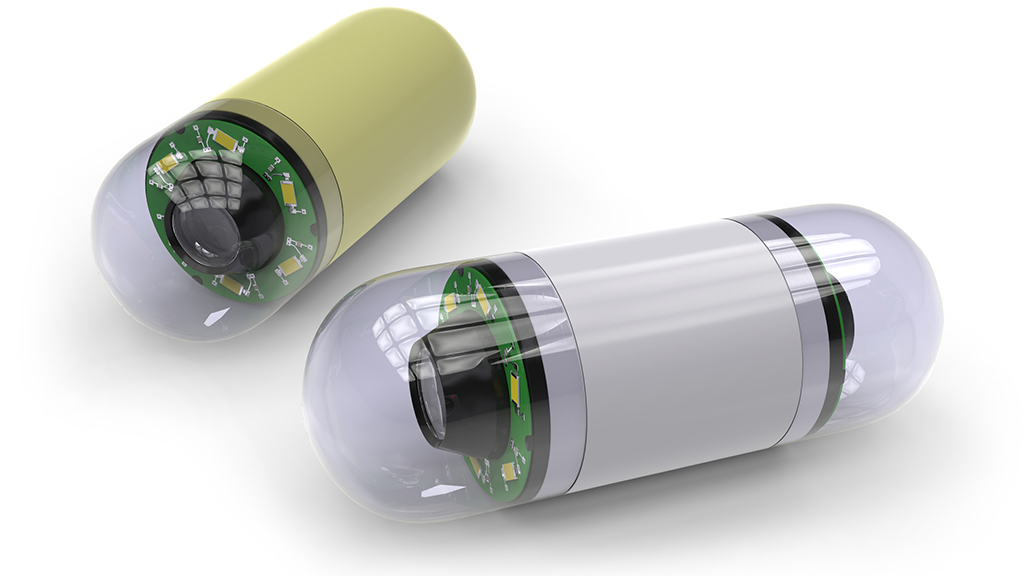
Many digestive symptoms come and go without obvious explanation, leaving patients with normal scans, inconclusive scopes, and ongoing discomfort. When routine tests fail to deliver answers, it can be frustrating to navigate persistent symptoms. Capsule endoscopy offers a powerful way to examine areas of the small intestine that are invisible to standard GI procedures. This post explains what capsule endoscopy can show that other tests often miss.
Advanced Imaging of the Small Intestine with Capsule Technology
Traditional endoscopy and colonoscopy visualize only the upper GI tract and large intestine. Capsule endoscopy bridges the gap by capturing thousands of high-resolution images of the small intestine, where many elusive conditions develop. This makes it a valuable tool when symptoms suggest disease beyond the reach of conventional scopes.
Capsule Endoscopy Detects Obscure or Occult GI Bleeding
Unexplained gastrointestinal bleeding with or without iron-deficiency anemia is one of the most common reasons for capsule endoscopy. Tiny ulcers, erosions, vascular lesions, and tumors may not bleed continuously, making them difficult to detect with other tests. Capsule imaging can capture these abnormalities in real time as the camera travels through the digestive tract, helping identify causes that standard evaluations overlook.
Capsule Endoscopy Supports Early Cancer Detection
Because small bowel tumors are relatively rare, they often escape detection until symptoms worsen. Capsule endoscopy offers a sensitive way to detect small, early-stage tumors and polyps that might be missed on CT scans, X-rays, or traditional endoscopic exams. Early identification can greatly impact treatment planning and long-term outcomes.
Better Visualization of Small Bowel Crohn’s Disease
Crohn’s disease frequently affects the small intestine, particularly areas unreachable by standard scopes. Capsule endoscopy can reveal mucosal inflammation, strictures, and subtle lesions that are otherwise missed, especially in early disease. This makes it useful when a patient has symptoms or lab markers consistent with inflammatory bowel disease, but inconclusive test results.
Finding Causes of Persistent Symptoms with Capsule Endoscopy
Persistent digestive symptoms such as abdominal pain, chronic diarrhea, unexplained anemia, or unintentional weight loss often prompt a lengthy diagnostic process. When results from endoscopy, colonoscopy, ultrasound, or lab tests are normal, capsule endoscopy can reveal patterns of inflammation, malabsorption, or lesions that help guide more targeted treatment.
Comfortable GI Testing with No Sedation or Downtime
Unlike tests that require sedation or sedation recovery time, capsule endoscopy is typically performed without anesthesia. The capsule is swallowed like a pill and naturally passes through the digestive tract. Most patients are able to continue regular activities throughout the test, making it a practical diagnostic option.
When to Consider Capsule Endoscopy
Capsule endoscopy is often recommended when other evaluations are inconclusive, symptoms persist, or small bowel disease is suspected. If you are experiencing unexplained GI symptoms, your gastroenterology provider can determine whether capsule endoscopy may offer meaningful diagnostic insights. To learn more or book an appointment, contact our office.
AUTHORS:
Adeeb J. Dwairy, M.D., is a Houston-born gastroenterologist at Houston Regional Gastroenterology Institute, treating patients in Sugar Land and Humble with expertise shaped by extensive training at UT Houston.
Sushovan Guha, MD, MA, PhD, FASGE, AGAF, is a Houston-based gastroenterologist and hepatologist at Houston Regional Gastroenterology Institute with extensive academic experience, specializing in general GI care, colorectal cancer prevention, and advanced endoscopic procedures.